
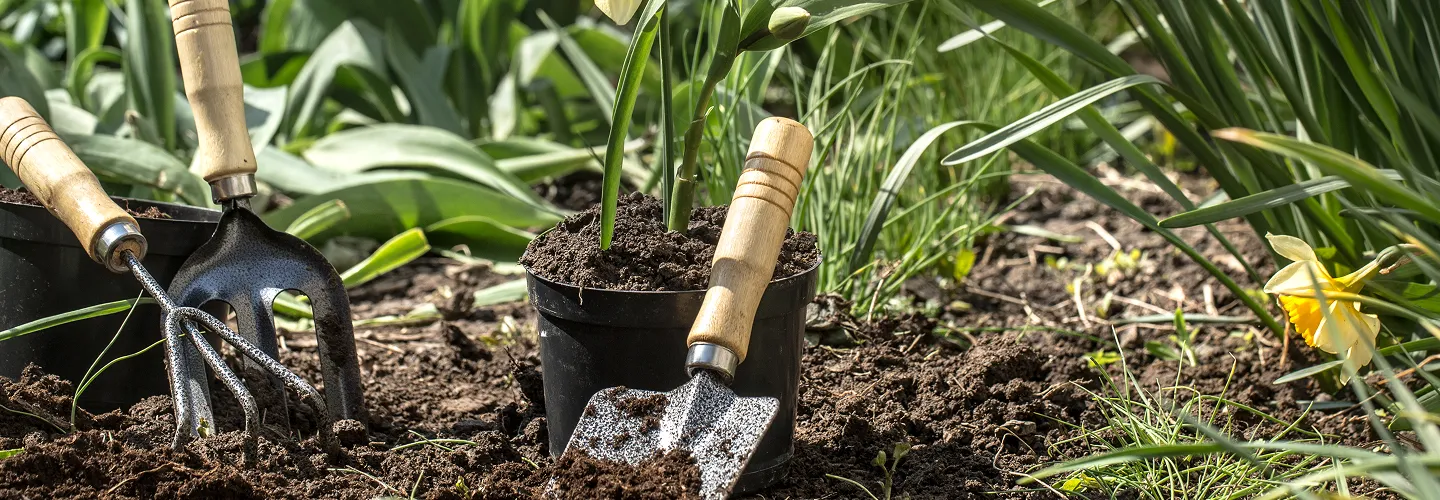
Wimauma Lawn Edging Services
Choose our expert lawn edging for a polished, professional look that enhances curb appeal and keeps your landscape neat all season long.
Get a Free QuoteOur Wimauma Landscaping & Yard Care Services
When to Schedule Lawn Edging in Wimauma, Florida – Seasonal Guide
In Wimauma, Florida, the best times to schedule lawn edging are typically during the early spring and late fall. These periods align with the region’s mild temperatures and moderate rainfall, which help promote healthy turf growth and make soil easier to work with. Wimauma’s subtropical climate means lawns can grow vigorously, especially in neighborhoods like Sereno and Southshore Bay, where lush landscapes are common. However, the area’s high humidity and frequent summer storms can make mid-summer edging less effective, as rapid grass growth and wet soil may lead to uneven results.
Local environmental factors such as the sandy soils near Little Manatee River State Park, the risk of late winter frosts, and shaded lots in communities like Valencia Lakes all play a role in determining the optimal timing for lawn edging. Homeowners should also consider municipal guidelines and seasonal drought advisories, which can be found on the Town of Sudbury’s website, to ensure compliance and water conservation. By tailoring your lawn care schedule to Wimauma’s unique conditions, you can achieve crisp, professional edges that enhance curb appeal year-round.
Local Factors to Consider for Lawn Edging in Wimauma
- Tree density and shade coverage, especially in established neighborhoods
- Soil type (sandy vs. clay) and drainage characteristics
- Seasonal precipitation patterns and drought risk
- Proximity to landmarks like Little Manatee River State Park
- Municipal restrictions or watering schedules
- Terrain variations, such as sloped or uneven lawns
Benefits of Lawn Edging in Wimauma
Enhanced Curb Appeal
Weed Growth Prevention
Defined Landscape Borders
Low Maintenance Solutions
Increased Property Value
Professional Installation Expertise
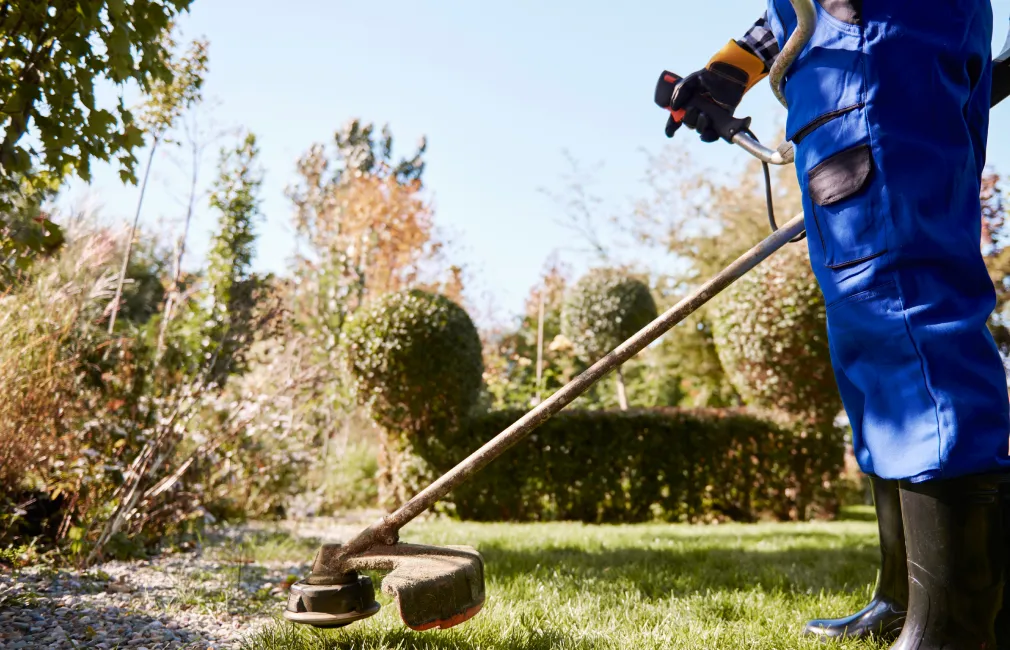
Wimauma Lawn Edging Types

Brick Lawn Edging
-
Stone Landscape Borders
-
Metal Garden Edging
-
Plastic Lawn Edging
-
Concrete Curbing
-
Wooden Landscape Edging
-
Rubber Lawn Borders
Our Lawn Edging Process
Site Evaluation
Marking Edges
Cutting the Edge
Debris Removal
Final Inspection
Why Choose Wimauma Landscape Services
Wimauma Homeowners Trust Us
-
Expert Lawn Maintenance
-
Reliable Scheduling
-
Competitive Pricing
-
Professional Team
-
Satisfaction Guarantee
-
Personalized Service
-
Locally Owned and Operated
Coordinating Lawn Edging with Wimauma’s Public Works and Drainage Priorities
Lawn edging in Wimauma, FL, must be coordinated with Hillsborough County’s operational standards for right-of-way maintenance and stormwater protection. Residents and property managers are responsible for ensuring that grass clippings, soil, and edging debris do not enter swales, storm drains, or canal edges, as these materials can obstruct drainage and contribute to nutrient runoff. The Hillsborough County Public Works Department oversees maintenance of public infrastructure, including drainage systems and stormwater facilities. For properties adjacent to public rights-of-way, it is essential to keep all edging debris contained and to follow any posted collection schedules for yard waste. When planning edging projects near swales or drainage inlets, verify if temporary barriers or specific disposal methods are required to prevent material migration during rain events. For questions about debris handling or right-of-way boundaries, consult the county’s public works resources.
Hillsborough County Public Works Department
601 E. Kennedy Blvd., Tampa, FL 33602
Official Website: Hillsborough County Public Works Department
How Wimauma’s Sandy Soils and Wet Season Shape Lawn Edging Needs
Wimauma is situated in Central Florida’s inland peninsula, characterized by sandy, well-drained soils and a pronounced wet season from late spring through early fall. These conditions influence both the frequency and technique of lawn edging:
- Sandy soils are prone to erosion, especially along hardscape edges and swales, requiring careful containment of soil during edging.
- The wet season brings intense rainfall, increasing the risk of runoff carrying grass clippings and sediment into storm drains and canals.
- High humidity and heat accelerate turf growth, necessitating more frequent edging during summer months.
The region falls within USDA Hardiness Zone 9b, supporting warm-season turf species such as St. Augustinegrass and bahiagrass. These grasses respond vigorously to summer rains, but their rapid growth can quickly encroach on sidewalks, driveways, and drainage features if not regularly edged. For site-specific soil information, the USDA Web Soil Survey provides detailed mapping for Wimauma and surrounding areas.
Regulatory Considerations for Lawn Edging in Wimauma and Hillsborough County
Lawn edging activities in Wimauma are subject to local code enforcement and environmental compliance standards. While routine edging does not typically require a permit, property owners must avoid depositing debris in public rights-of-way, storm drains, or water bodies, as regulated under the Florida DEP NPDES Stormwater Program. Code enforcement may issue citations for visible accumulations of yard waste or for practices that obstruct drainage or create safety hazards. In areas adjacent to canals, swales, or retention ponds, additional care is required to prevent nutrient and sediment runoff, which is addressed in the Florida Statutes §403.9337 - Model Ordinance for Florida-Friendly Fertilizer Use on Urban Landscapes. For properties within new developments or those with unique site constraints, review by the county’s development services may be necessary if edging is part of a larger landscape modification.
Hillsborough County Code Enforcement
601 E. Kennedy Blvd., Tampa, FL 33602
Official Website: Hillsborough County Code Enforcement
Professional Lawn Edging Methods and Seasonal Timing in Wimauma’s Climate
Effective lawn edging in Wimauma requires adapting methods to the region’s climate and turf types. Key professional standards include:
- Edging is best performed during active turf growth, typically from March through October, to maintain crisp boundaries and minimize scalping.
- Use manual or mechanical edgers to create a defined vertical edge along sidewalks, driveways, and planting beds, taking care not to undercut roots or destabilize soil on sandy sites.
- Schedule edging before forecasted rain to allow for cleanup and to prevent debris from washing into stormwater systems.
- Collect and properly dispose of all clippings and soil fragments, keeping them out of swales, canals, and curb inlets.
- For properties with irrigation systems, verify that edging does not damage emitters or disrupt coverage patterns.
For additional guidance on turf management and edging standards, refer to UF/IFAS Gardening Solutions - Lawn Maintenance and Care.
What Neighborhoods Do We Serve Throughout Wimauma, FL?
- Ayersworth Glen This large subdivision features newer homes with fill-based lots, requiring attention to drainage and soil stability during edging.
- Valencia Lakes A 55+ community with extensive irrigation and mature landscaping, where precise edging helps maintain curb appeal and manage runoff.
- Sereno Known for its pond and preserve areas, edging here must account for proximity to water features and HOA landscaping standards.
- Southshore Bay This master-planned community includes both traditional and lagoon-front lots, with varying shade and irrigation patterns affecting turf growth.
- Willow Shores A smaller neighborhood with established trees and mixed sun exposure, where edging supports both appearance and stormwater flow.
- Hidden Creek Features compact lots and shared green spaces, making regular edging important for visibility and neighborhood standards.
- Wimauma Village An area with older lots and diverse landscaping, where edging practices must adapt to both sandy soils and mature plantings.